
Sometimes the heaviness we feel doesn’t come from our personal lives alone.
It comes from the world around us.
News of violence, war, genocide, racism, environmental destruction, displacement, or injustice can land in our bodies in ways that are difficult to explain. Even when these events are happening far away, or to communities we are not directly part of, many people feel waves of grief, anger, fear, or helplessness.
This is an appropriate and valid response to the events people are currently being exposed to.
We are relational beings. Our nervous systems are shaped through connection. When suffering happens on a large scale, it can affect entire communities, and even people watching from afar.
Collective Trauma
Collective trauma refers to traumatic experiences that affect large groups of people rather than an individual.
This can include events such as war, colonization, genocide, systemic racism, forced migration, natural disasters, or political and elitist violence. These experiences communities, cultures, and shared histories.
When trauma is collective, it leaves lasting impacts on:
Community relationships and isolation
Cultural identity
Generations of unjust distribution of power and wealth
Stories about what is safe
Passing down nervous systems which are stuck on survival mode.
Collective grief of land, cultures, traditions, safety and belonging.
For many communities, these experiences become woven into cultural memory and identity.
Sometimes this trauma is disguised as normal or “the way it’s always been”. Other times it emerges as anger, activism, numbness, or exhaustion.
All of these responses are valid.
If you’re overwhelmed, it makes sense.
We all have a window of tolerance. Meaning that when there is a threat in our environment, we can manage it up to a certain point. When we go past that point, we feel overwhelmed. The problem is that we are constantly being exposed to collective trauma leading to constantly feeling outside of our window of tolerance. This can look like rage, grief, numbness and helplessness.
Through social media, news, and global communication, we witness suffering in real time. Additionally, we are exposed to different perspectives of events creating confusion, polarization and existential crisis. While awareness can build solidarity and action, it can also overwhelm the nervous system.
Our bodies were not designed to process the pain of the entire world all at once.
This can lead to feelings such as:
Emotional numbness
Normalization of violence
Chronic stress or anxiety
Rage or helplessness
Guilt for not doing enough
Burnout from caring deeply
These reactions are signs that you are human and responsive to the suffering of others.
The Body’s Response to Collective Trauma
Just like personal trauma, collective trauma can activate the nervous system.
Some people move into hyperactivation, feeling constantly alert, angry, or overwhelmed.
Others move toward shutdown, feeling numb, disconnected, or emotionally exhausted.
Both are protective responses when the body perceives threat or helplessness.
Learning to recognize these states can help us care for ourselves more intentionally.
Connection is the Resistance.
The state of the world can leave us feeling helpless. This is normal. However, we must realize that all of these injustices and collective trauma happen when people are divided, isolated, overwhelmed, exhausted.
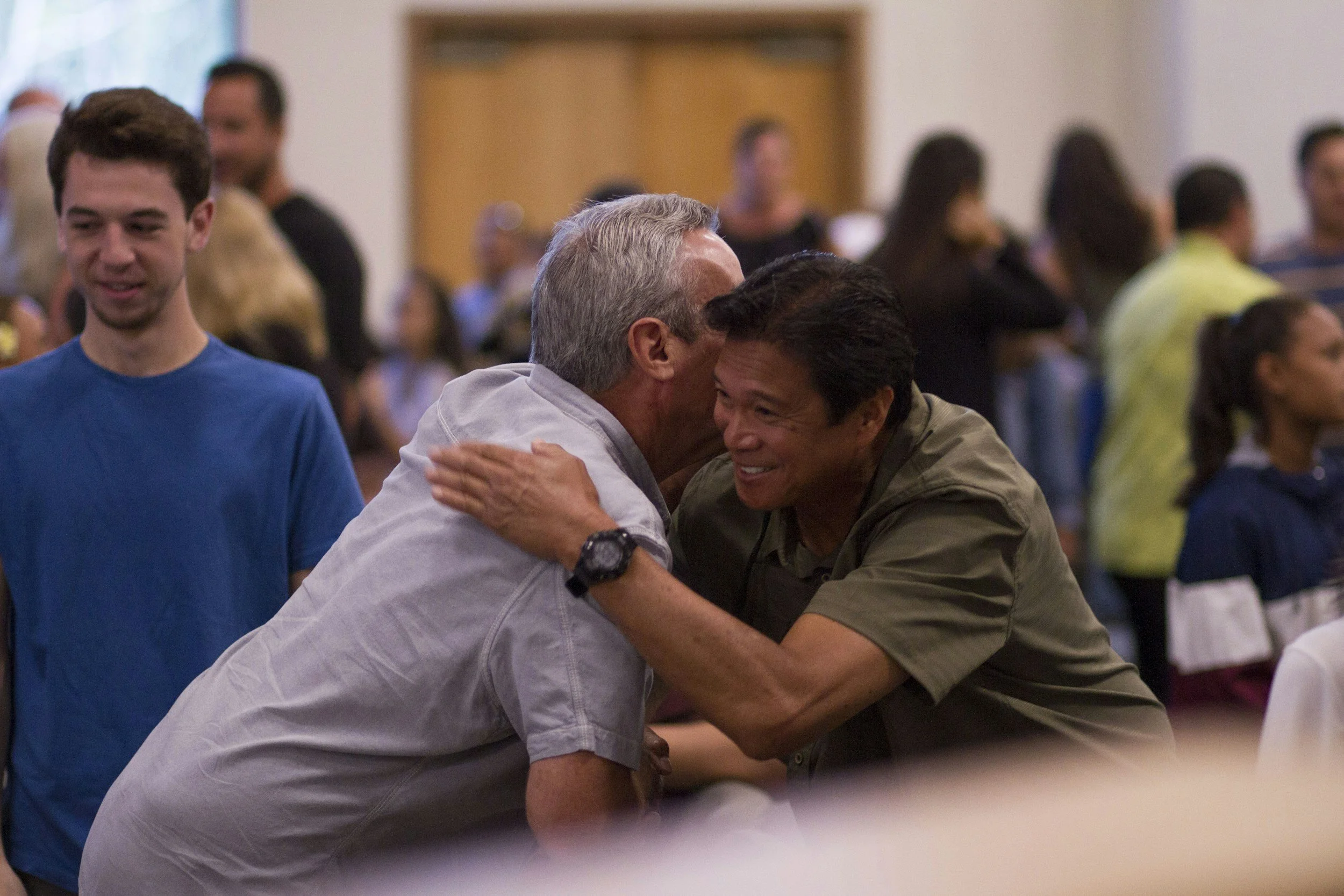
Fighting against isolation is resistance. When people are united, collectively caring for one another, and actively holding space for emotions, community and conversations, we uplift our collective wellbeing and have more capacity to positively impact the world at large.
Some ways to resist and practice self care can include.
Creating boundaries around media consumption
Social media will give you many voices and opinions without the human connection. Focus on having conversations with a person face to face.
Returning to the body
Gentle or intense (in the case of anger) movement, breathing, or grounding exercises can help regulate the nervous system.
Connecting with others
Sharing grief in a community can reduce isolation.
Allowing space for emotion
Grief, anger, sadness, and fear all deserve space.
Finding meaningful action
Supporting causes, volunteering, or community care can transform helplessness into purpose.
A Reflection
If you have been feeling heavy lately, you might pause and ask yourself:
What emotions am I carrying that might belong not only to me, but to the world around me?
What would it look like to care for my nervous system while still caring about others?
Holding compassion for yourself and staying connected with others simply means you are allowing yourself the strength needed to remain present.
A Gentle Invitation
If collective grief, personal trauma, or the weight of the world has been impacting your wellbeing, therapy can offer a space to process these feelings with care and support.
You deserve a place where your experiences, personal and collective, can be held with compassion.
You can learn more about my therapy services here.
