
Understanding emotional loneliness, the need for connection, and what it means to feel truly seen.
Have you ever been surrounded by people and still felt alone?
Perhaps you have friends, family, a partner, or people you speak with regularly. You participate in conversations, show up for others, and maintain relationships. Yet something still feels missing.
Maybe you wish someone would ask how you are really doing. Maybe you long to share something difficult without feeling like you need to minimize it, explain it away, or reassure the other person that everything is okay.
Sometimes, what we are longing for isn't necessarily more interaction. It is the experience of being seen, heard, and understood.
Loneliness is often understood as the absence of companionship or social connection. But there is another dimension to loneliness that deserves attention: the experience of feeling emotionally disconnected, even when we are not physically alone.
We want to be witnessed. We want our experiences to matter to someone. We want room to express what we feel without having to make our emotions smaller or more comfortable for others.
And sometimes, we haven't consistently experienced that kind of emotional space.
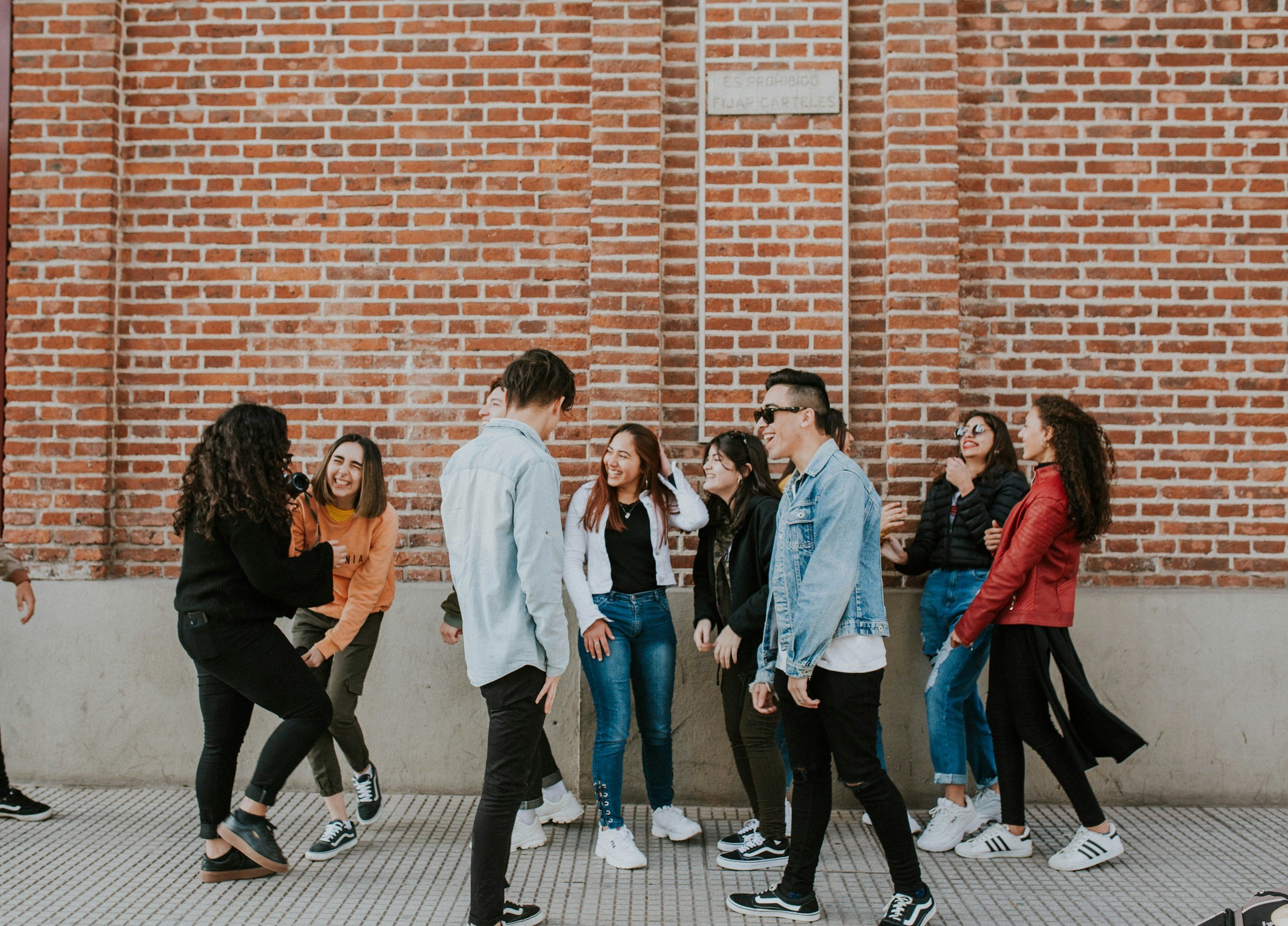
What Is Loneliness, Really?
Loneliness is a deeply human experience. It can arise when there is a gap between the connection we have and the connection we need or desire.
Sometimes, loneliness is social. We may lack meaningful relationships, community, or opportunities to connect with others. This can happen during major life transitions, relocation, parenthood, grief, changes in relationships, or periods of isolation.
Other times, loneliness is emotional.
Emotional loneliness can exist within relationships where there is communication and physical presence, but where we don't feel understood, supported, or emotionally connected.
We might share what happened during our day without feeling able to talk about what it meant to us. We might express sadness and receive advice when what we needed was someone to sit with us. We might try to explain an experience only to feel dismissed, misunderstood, or redirected toward someone else's perspective.
We can be loved and still feel unseen. We can have people in our lives and still feel that something important is missing.
This doesn't necessarily mean our relationships are without care or that the people around us don't love us. It may mean that the emotional connection we need and the connection available to us don't always meet in the same place.
The Need to Be Seen, Heard, and Acknowledged
As human beings, we have a need for connection. But connection involves more than being in someone's presence. It also involves feeling that our inner experiences have somewhere to land.
To feel witnessed is to have someone make room for our experience without immediately trying to change it, fix it, compare it, or dismiss it.
Sometimes we need advice. Sometimes we need perspective. But other times, we need someone to acknowledge that something was difficult, that it mattered, and that our feelings make sense within our experience.
Consider the difference between:
Being told, "At least it could have been worse," and hearing, "That sounds like it was really difficult."
Being given an immediate solution and having someone ask, "What was that like for you?"
Hearing, "You shouldn't feel that way," and hearing, "I can understand why you might feel that way."
Acknowledgement doesn't mean someone has to agree with every interpretation we have or see things exactly as we do. It means our experience is taken seriously enough to be understood.
Sometimes, we aren't looking for someone to take away what we're feeling. We're looking for someone who can make room for us while we feel it.
When We Learn There Isn't Much Room for Our Feelings
Our experiences of connection begin taking shape through our early relationships and the environments in which we grow.
As children, we depend on others not only for physical care, but also for emotional support, comfort, and help making sense of what we experience.
When our feelings are acknowledged, when someone helps us understand what is happening inside us, and when we are met with curiosity rather than judgment, we begin to develop a sense that our emotions are welcome.
But not everyone grows up with that experience.
Perhaps sadness was met with dismissal. Anger was considered disrespectful. Fear was met with pressure to be brave. Maybe there wasn't much space for difficult conversations, or the adults around us were managing their own stress, responsibilities, and unresolved experiences.
In some families and cultural contexts, emotional expression may not have been encouraged or may have looked different from what we recognize as emotional support today. Some families communicate care through practical support, sacrifice, responsibility, or providing for one another. These expressions of care can be meaningful, even when emotional conversations are difficult.
Our experiences are also shaped by broader circumstances. Racism, migration, financial stress, discrimination, and intergenerational hardship can influence how much emotional space individuals and families have available to them.
These contexts matter. They help us understand that emotional disconnection doesn't always happen because someone didn't care. Sometimes, people were doing the best they could with the emotional resources, knowledge, and circumstances available to them.
And still, the impact of what was missing can be real.
We may grow into adults who find it difficult to ask for support, share vulnerable feelings, or trust that someone will stay present when things become uncomfortable.
We might minimize our experiences, tell ourselves we're overreacting, or become the person who listens to everyone else while rarely making room for our own needs.
Not because we don't need connection, but perhaps because we've learned that needing it can feel uncomfortable, unfamiliar, or even unsafe.
Why We Can Feel Lonely Even When We Have Relationships
We might find ourselves surrounded by people who know our responsibilities, our roles, and what we do for others, but who don't necessarily know what is happening beneath the surface.
We may be the dependable friend, the capable colleague, the responsible sibling, or the person everyone turns to. We show up, offer support, and hold space for others. But when we need that same space, we may struggle to find it.
We might also have learned to present a version of ourselves that feels easier for others to receive. We share the positive updates, keep difficult feelings private, or avoid conversations that might create tension.
This can be particularly complex when navigating different cultural expectations, identities, or environments where we don't always feel understood. We may find ourselves moving between different versions of ourselves, wondering where we can fully exhale.
The longing, then, isn't necessarily for more people. It may be for relationships where we can be more fully ourselves.
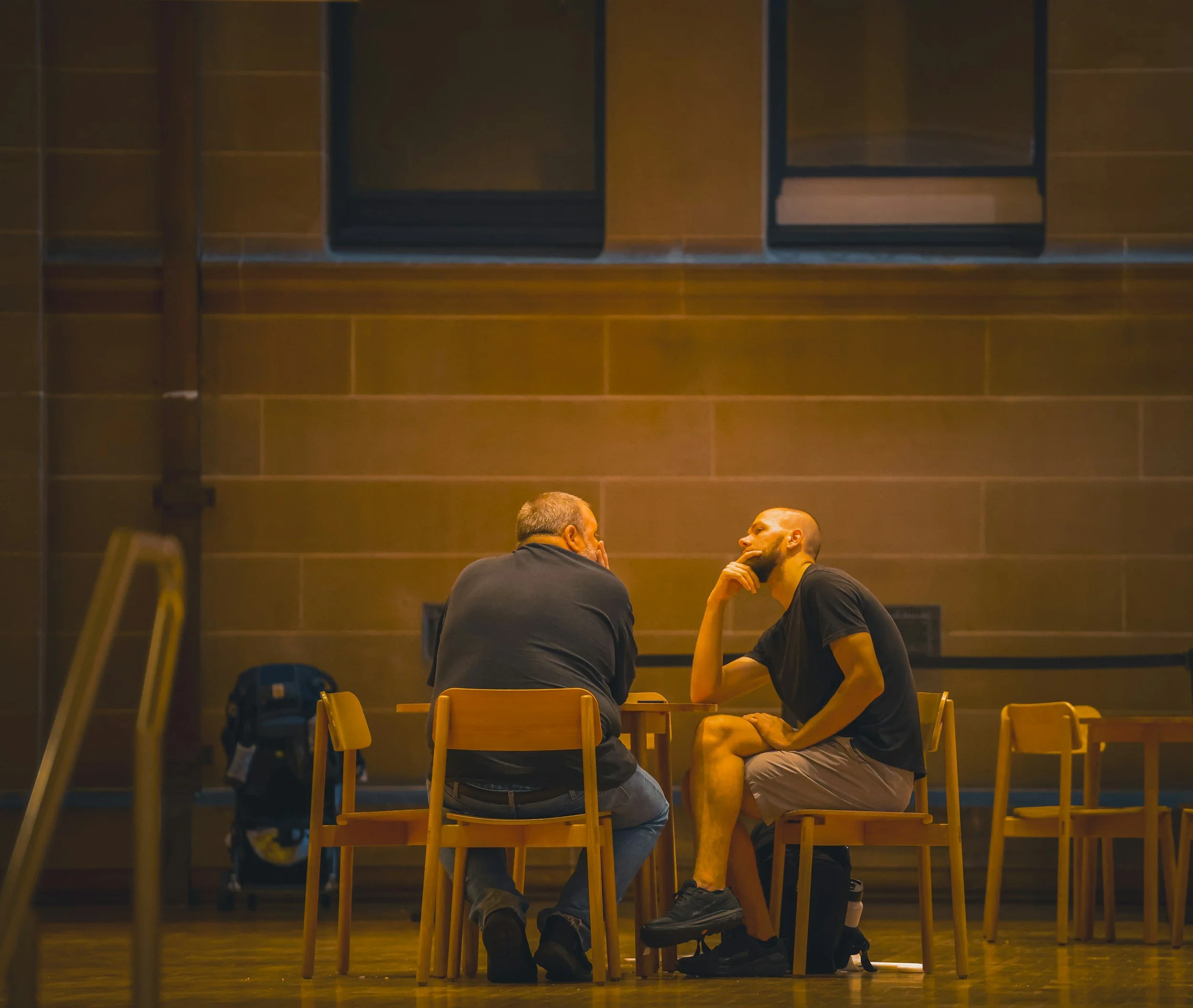
You deserve more than to simply be around people. You deserve to feel seen, heard, and valued in your relationships.
Finding Connection at Rooted Within
At Rooted Within Psychotherapy, I believe connection and relationships is where healing happens. Therapy can offer a space where your experiences are welcomed, your feelings are taken seriously, and you don't have to minimize or explain away the parts of your story that matter to you.
Through culturally responsive, trauma-informed therapy in English and Spanish, virtually and in person in Ottawa, I support adults navigating trauma, identity, relationships, and the complexities of belonging.
If you've been feeling disconnected, unseen, or unsure how to make room for your emotional needs, you don't have to navigate those questions alone.
Book a free consultation to explore whether therapy at Rooted Within might be a good fit for you.
You don't have to leave parts of yourself at the door. There is room for all of you.
